Encounters with marine animals like whales and dugongs can be profound, even life-changing experiences for divers, benefit local economies, and provide opportunities to educate people about wildlife and the environment. But unless done right, these encounters can negatively affect the animals. Read how to do them right.
Showing posts with label whales. Show all posts
Showing posts with label whales. Show all posts
Tuesday, November 4, 2025

Wednesday, August 16, 2023
Tracking whales to prevent ship strikes
Collisions with ships are a leading cause of death for large whales worldwide. Whale Safe, a technology created by the Marine Mammal Center and UCSB’s Benioff Ocean Science Laboratory, can let ship crews know when whales are present so they can slow down, which dramatically reduces the risk of fatal collisions. Read more here.
Sunday, October 25, 2020
The Gulf of Mexico
11 things you might not know about this body of water, also known as The American Sea. Some cool facts and some alarming ones. Read it here.
Tuesday, May 26, 2020
How whales avoid the bends
Beaked whales can spend two hours beneath the surface. Dolphins descend down to 1,000 feet and routinely make as many as 20 dives in a row to 300 feet. Research shows how these mammals avoid getting hit with decompression sickness. Read more in my piece in Scuba Diving magazine.
Thursday, February 21, 2019
Watching wildlife from space
Scientists are using photographs taken from space and a tracking antenna installed on the International Space Station to learn more about the lives and travels of wild animals such as whales, sea turtles and birds. Read more in my Alert Diver article.
 Photo courtesy Kate Mansfield, University of Central Florida

Tuesday, December 5, 2017
Meet the teams rescuing entangled whales
The U.S. had 123 confirmed entangled whale cases in 2016, probably only a fraction of the actual total. Read why entanglement is a problem for whales and how scientists are trying to solve the problem in my piece for Mental Floss.
Monday, November 20, 2017
What do sharks do during a hurricane?
When 2017's powerful hurricanes roared across the ocean, did sharks and other marine life know what was coming? And, if so, what did they do about it? Find out in this piece for Men's Journal online.
Friday, May 8, 2015
Tagging Wildlife for Science
Scientists use a variety of tagging methods to track wild animals and learn more about them. Read more in my piece for Mental Floss, 10 Animals We Tag - and What we Learn From It.
Tuesday, January 6, 2015
10 Citizen Science Projects to Try
Scientists need your help - citizen science projects add many hands to the workload. Here are ten projects involving a variety of activities from sticking a gps on your cat to cataloging photos of penguins and the Earth at night, tagging fish, reading old ship logs, and listening to whale calls. Find out more in this piece for Mental Floss.
Monday, October 20, 2014
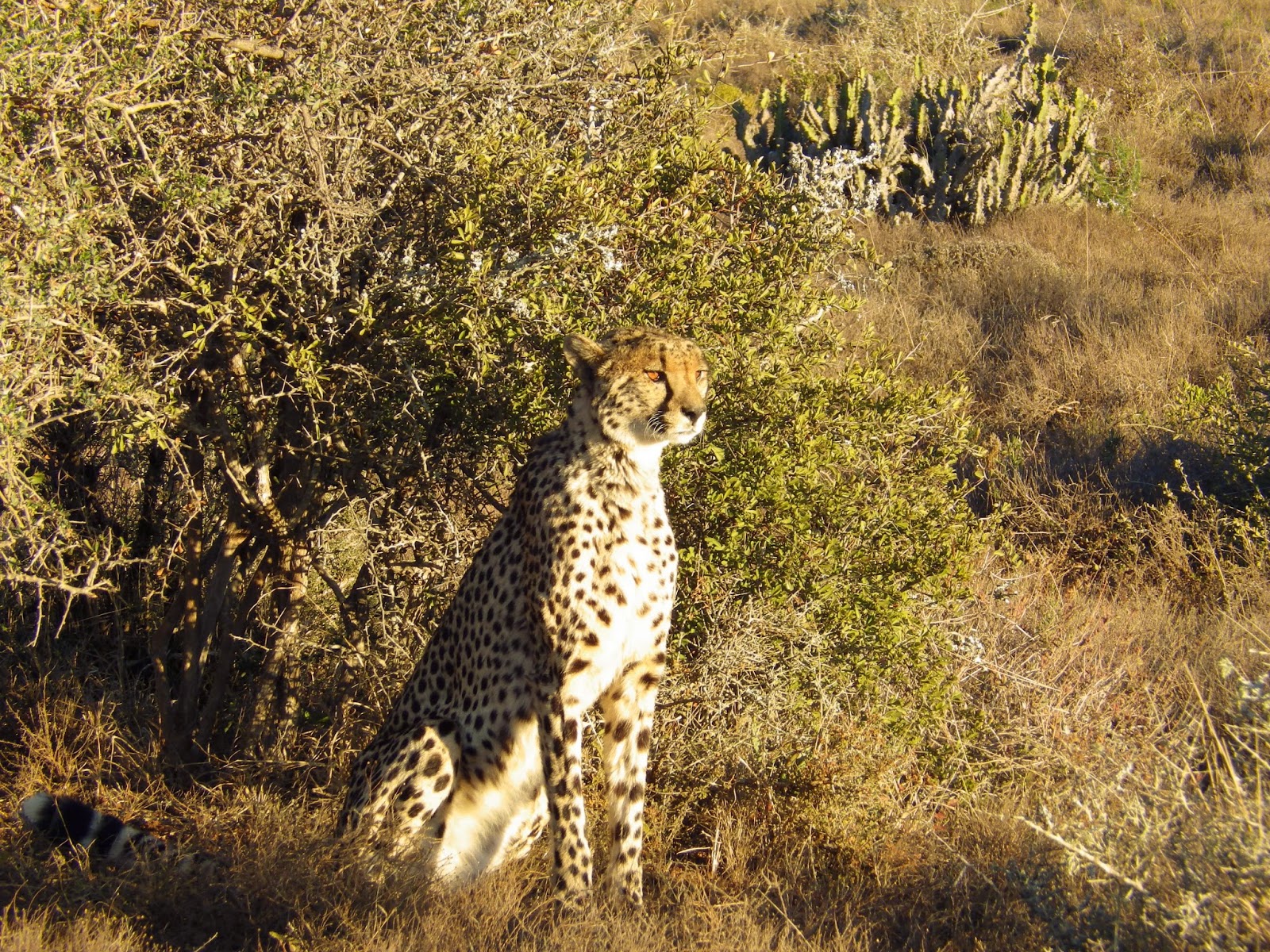
Ten Reasons to Visit South Africa
Incredible diving, wildlife watching, scenery, wine, and more - ten of the many reasons to visit South Africa, my piece for Sport Diver magazine.
Subscribe to:
Posts (Atom)